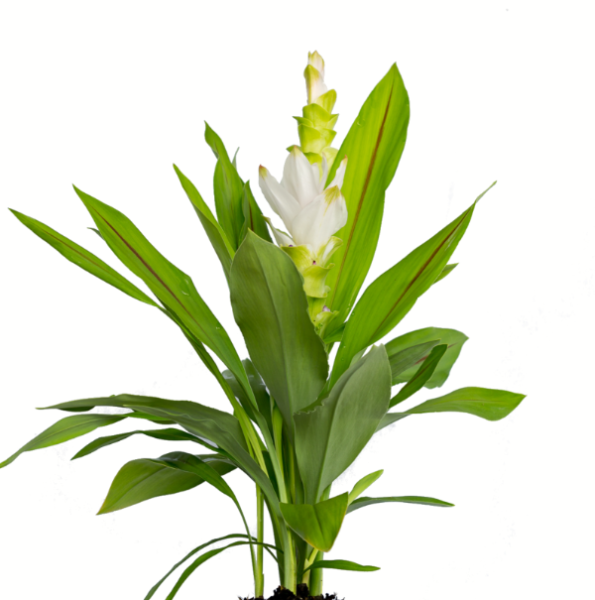
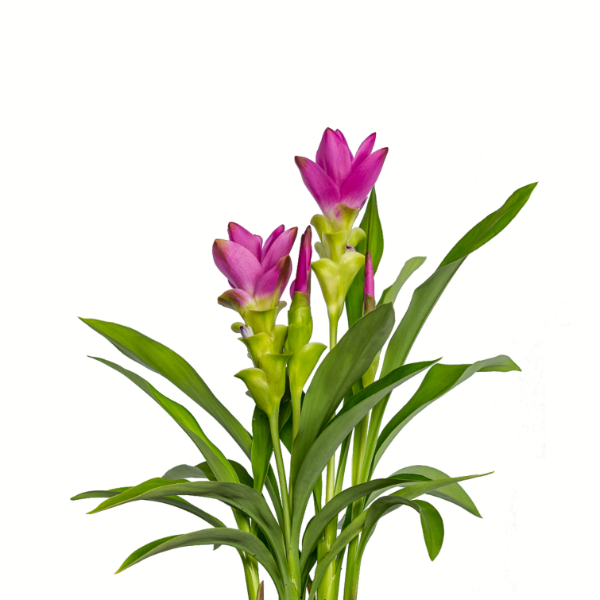
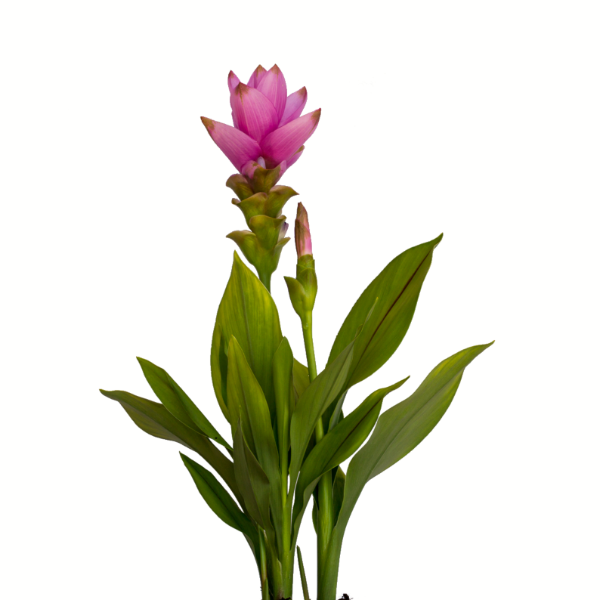
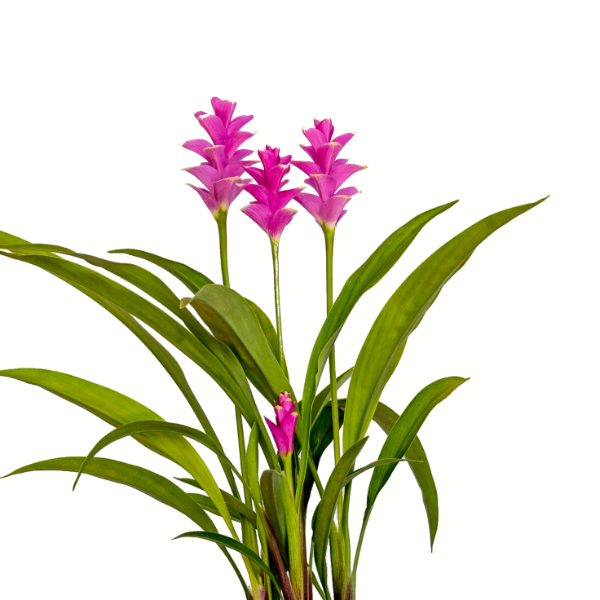
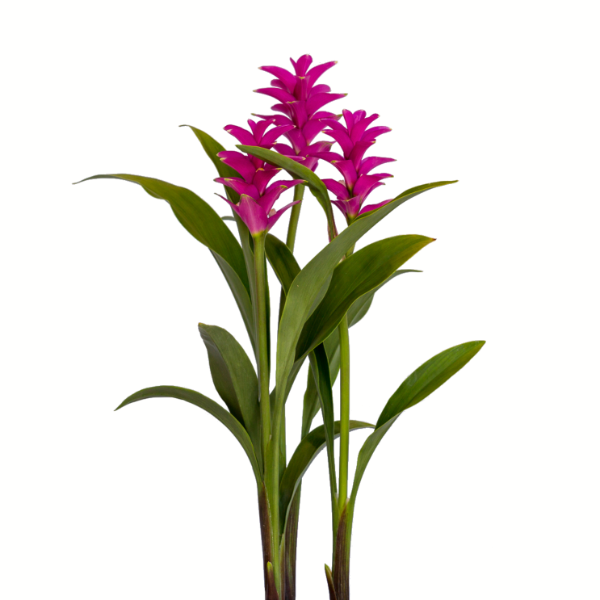
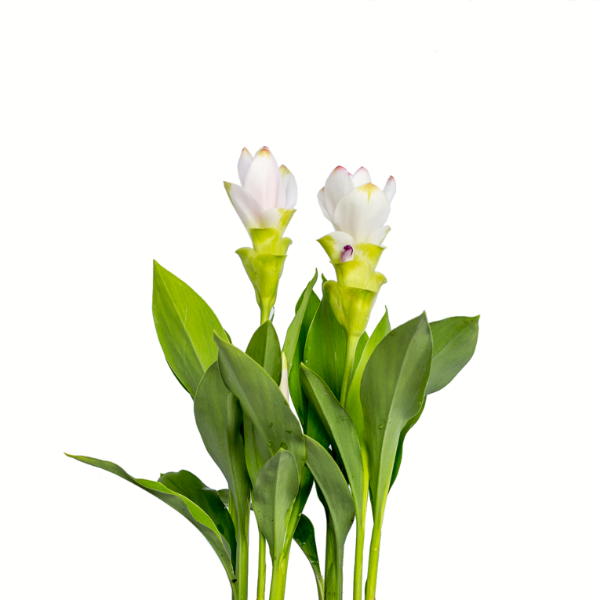
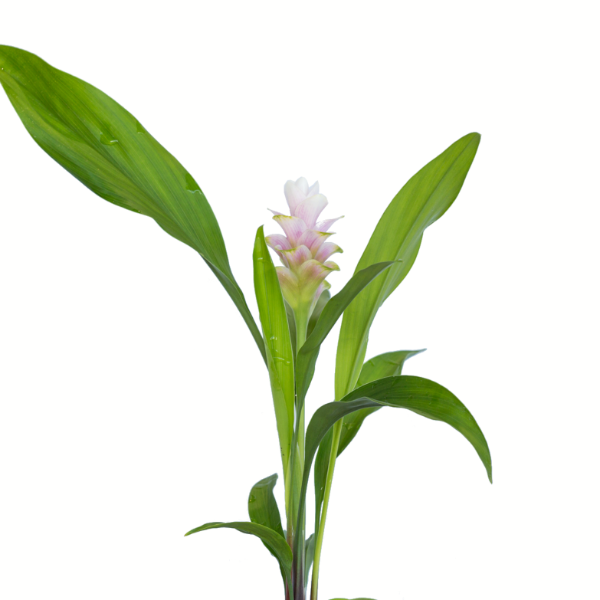
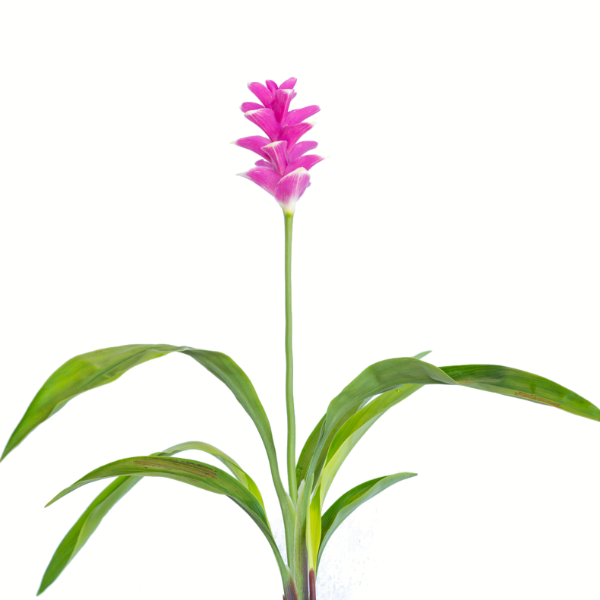
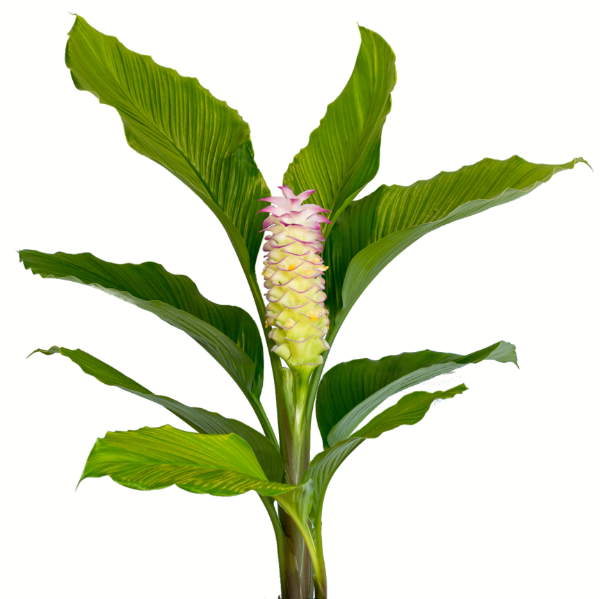
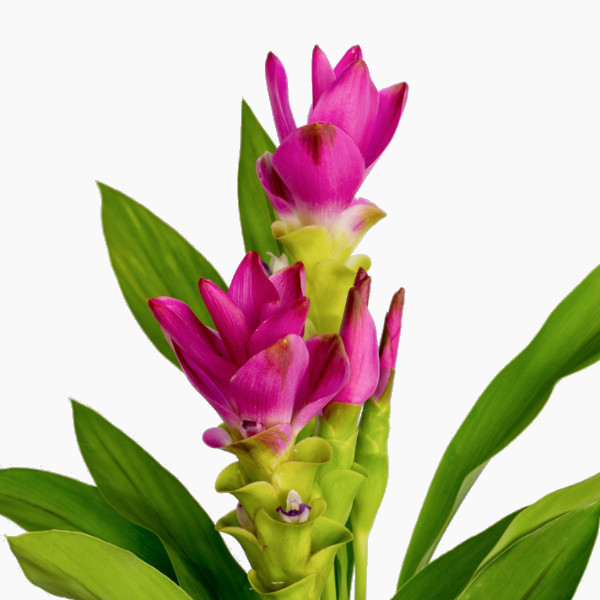
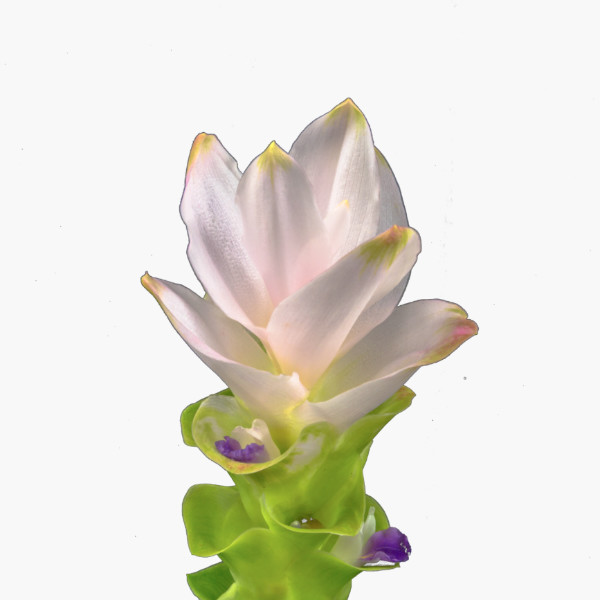
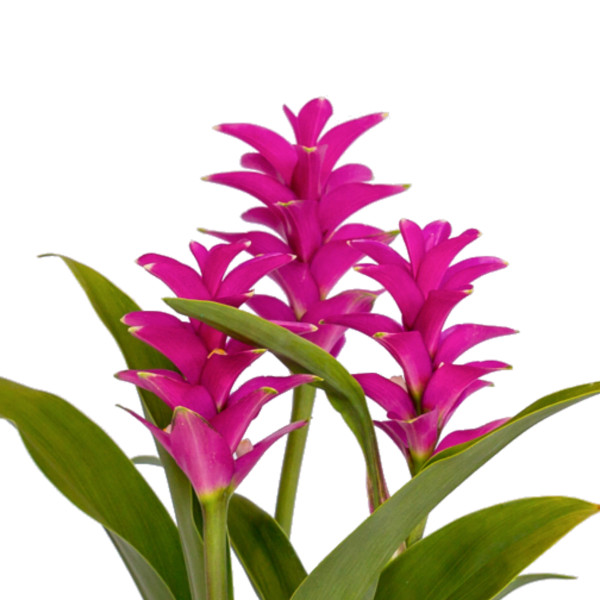
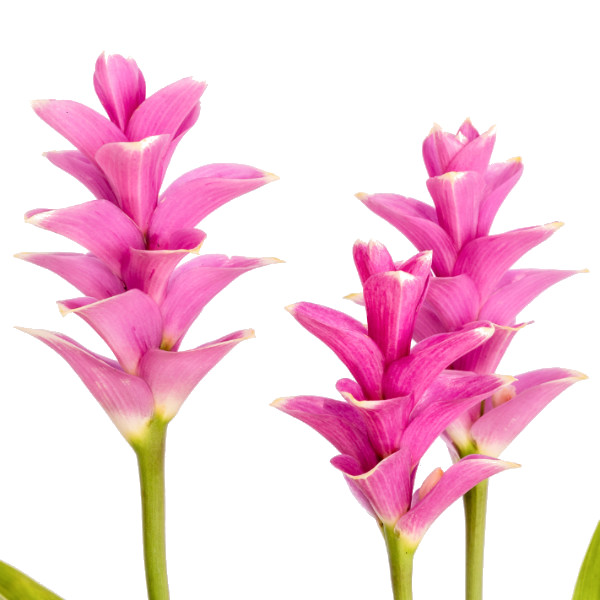
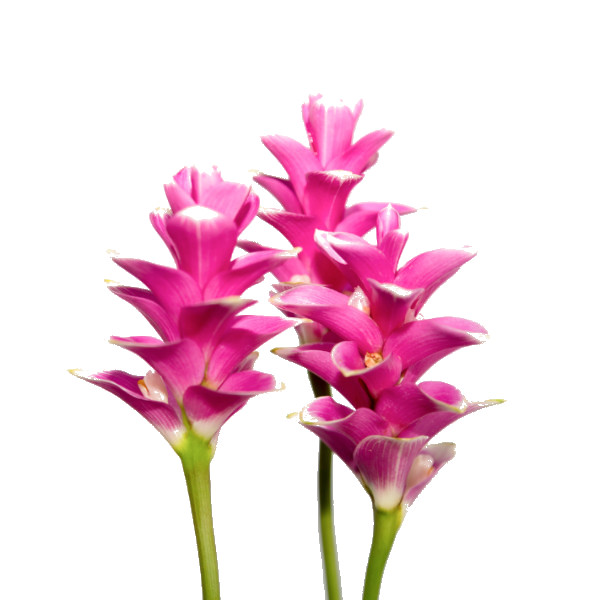
Palmwood Tropicals Curcuma Gingers
Ornamental Gingers are iconic tropical and subtropical plants that have spectacular, brightly coloured flowers. They are from the plant order zingiberales and are the more glamorous relatives of edible ginger, bananas and turmeric.
Ornamental gingers are an amazingly versatile group of plants and come in a wide range of shapes, sizes and colours. That means they lend themselves to many different garden situations.
 PLANT ME
  KEEP ME IN
  PUT ME OUT
  WATER ME
  FEED ME
  I LIKE
  MY FLOWERS
  NOTES
NOTES What are gingers?
A. Curcumas, Globbas, Etlingeras and Zingibers are referred to as gingers. They’re evergreen or deciduous perennials with an underground rhizome. The ‘ginger’ that you buy from the supermarket is in fact the rhizome of the plant Hedychium officionalis. All gingers have attractive, lush foliage and most ornamental species produce beautiful flowers – often highly scented.
Are they hardy?
A. Some species such as Hedychium greenii, Zingiber ‘Dancing crane’ and Roscoea purpurea are pretty tough and will survive outdoors in sheltered areas with a protection of thick mulch. Some species require the protection of a frost free greenhouse or shed in winter while others are tropical and require a heated greenhouse or conservatory in winter.
Will they grow in pots?
A. Yes – they grow fine in pots. Remember that all plants in pots are more vulnerable to frost in winter than those planted in the ground.
How big and how fast will they grow?
A. They pretty vigorous – a plant in a 2/3L pot will make a sizeable clump in a season. Some species grow to 2m. Others are more diminutive.
What do I do with them in the winter?
A. These gingers are deciduous, meaning the leaves will die down in winter. Mulch hardy species in the ground with a thick layer of straw. Store potted gingers in a frost free environment and keep barely moist in the winter months (natural winter rainfall is fine for gingers in the ground).
How much food and water should I give them?
A. During the growing season they like a fair amount of water and plenty of feed. In a hot summer, plants in pots will require daily watering and a weekly dose of plant feed. Plants in the ground benefit from an annual dose of fertilizer sprinkled over the surface or a mulch of well-rotted manure.
Are they susceptible to pests and diseases?
A. Young shoots may be nibbled by slugs but usually not a major problem. Outdoors they are generally problem-free. Under glass they may come under attack from red spider mite. As far as we are aware they do not suffer from any serious diseases.
What’s the best position and soil type for Gingers?
A. Either full sun or sun/part shade. They like a deep, rich soil with lots of organic matter.
Gallery